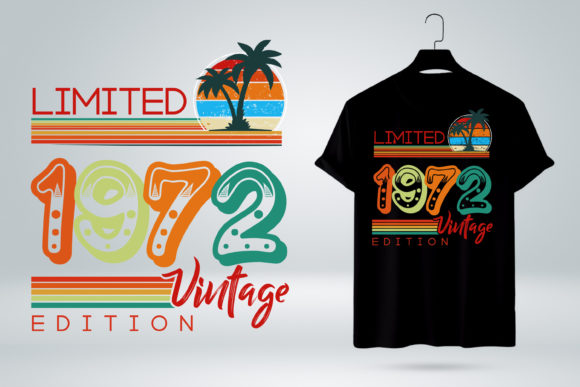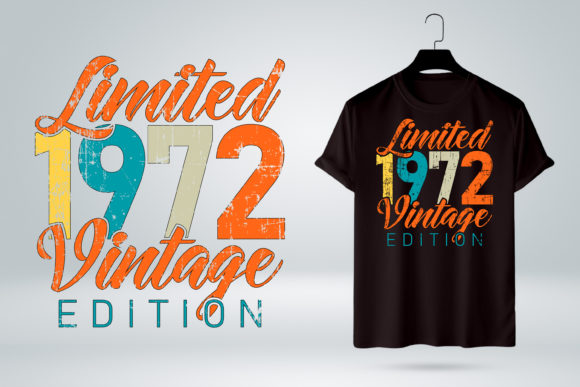
1972 Limited Edition Vintage Retro Tee
As an embroidery designer and product reviewer, I’ve seen my fair share of designs that look great on a screen but fall flat in real-world use. The 1972 Limited Edition Vintage Retro Tee is one that caught my attention for its nostalgic vibe and potential in various projects. But before jumping into using it in client work or selling it as a finished product, I wanted to take a closer look at how it performs in practical embroidery scenarios.
The First Impression
The 1972 Limited Edition Vintage Retro Tee immediately evokes a sense of nostalgia. The design feels like a throwback to the early days of graphic t-shirts, with a bold layout and retro typography that screams “vintage.” It’s not overly complicated, which is a plus for embroidery projects where simplicity can often translate better into stitch form. The theme is clear: celebrating a 50th birthday, which makes it ideal for personalized gifts or special occasion apparel.
The visual personality of the design is warm and inviting, making it perfect for handmade products that aim to evoke emotion. It has a clean structure that should work well on both light and dark fabrics, though I’d recommend testing it on different backgrounds to see how it stands out.
Real-Life Embroidery Use Cases
One of the first projects I considered was a custom embroidered tote bag. The 1972 Limited Edition Vintage Retro Tee would make a strong statement on a canvas tote, especially if used as a central design element. Its size and layout suggest it could be scaled up or down depending on the project, which is helpful for different fabric types and hoop sizes.
For sweatshirt embroidery, this design could serve as a standout feature on the front or back. It’s not too dense, so it shouldn’t cause issues with stretchy or textured fabrics. However, I’d advise checking the stitch density before committing to a large-scale commercial project. For baby clothes, the design might be a bit too bold, but it could work well as a small patch or applique design.
This design also has potential for holiday gifts, wedding gifts, or personalized items. Its vintage feel pairs well with rustic or handmade aesthetics, making it a good fit for Etsy sellers or small shop merchandise. It could also be used as a printable mockup for digital product previews, helping clients visualize how the design would look on different garments.
Where to Be Careful
While the 1972 Limited Edition Vintage Retro Tee is versatile, there are a few areas where caution is needed. If you’re working with small hoop sizes, this design may require multiple hooping sessions, which can be time-consuming. On thin or stretchy fabrics, the design might not hold up as well, so using the right stabilizer is crucial.
For dark fabrics, the thread colors need to contrast well. If the design is too subtle, it might not stand out as intended. Similarly, if the design is used on layered garments or curved surfaces like caps, the stitching might get distorted. Tiny lettering or detailed corners could be challenging, especially if the stitch density is too high.
When considering commercial embroidery projects, it’s important to confirm licensing terms before selling finished items or digital products. While the design seems suitable for personal and small business use, always double-check the rights to avoid any legal issues later on.
Impact on Visual Appeal and Customer Perception
The 1972 Limited Edition Vintage Retro Tee has a strong visual presence that can elevate the value of any handmade product. Its retro aesthetic adds character, making it more appealing to customers who appreciate unique, personalized gifts. When stitched properly, it can create a professional-looking finished product that resonates with buyers looking for something special.
From a branding perspective, this design could help reinforce a vintage or nostalgic theme in a craft business. It’s also highly giftable, especially around milestone birthdays or special occasions. Customers are more likely to trust and engage with a product that looks well-crafted and visually cohesive.
For embroidery designers, this is a solid choice for a variety of projects, from custom apparel to decorative accents. It offers flexibility in application while maintaining a clear identity that aligns with its intended purpose.
Practical Designer Notes
Before using the 1972 Limited Edition Vintage Retro Tee in any project, I recommend testing it on scrap fabric. This will help you understand how the design translates in real life and whether it meets your expectations. Checking thread color contrast is also essential, especially if you’re using it on dark or light backgrounds.
Reviewing the stitch density is another key step. If the design is too dense, it might cause fabric puckering or affect the overall look. Confirming the correct hoop size will save time and prevent unnecessary adjustments during the embroidery process.
Inspecting small details, like lettering or intricate elements, is important to ensure they come out clearly. Testing the design in black and white mockups can also help you see how it looks without color distractions. Comparing it on different fabric types will give you a better idea of its versatility.
Using the proper stabilizer is critical for maintaining the integrity of the design, especially on delicate or stretchy materials. Whether you’re creating a custom apparel piece, an embroidered patch, or a small shop product, the 1972 Limited Edition Vintage Retro Tee has the potential to add value and appeal to your work.
Final Thoughts
The 1972 Limited Edition Vintage Retro Tee is a design that balances nostalgia with practicality. It’s suited for a wide range of embroidery projects, from personalized gifts to commercial merchandise. Its clean layout and retro feel make it a strong contender for handmade products that aim to stand out in a crowded market.
As with any machine embroidery design, it’s important to approach it with care and consideration. By testing it thoroughly and understanding its limitations, you can ensure that it delivers the results you expect. Whether you’re an Etsy seller, a craft business owner, or a hobbyist, this design has the potential to enhance your creative workflow and customer offerings.