Mandala Retro Background Pattern
First Impressions: A Design That Evokes Nostalgia and Calm
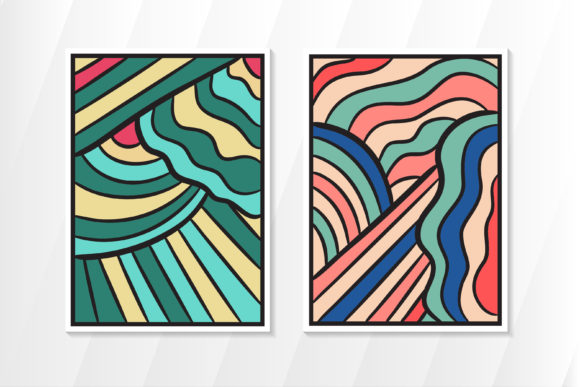
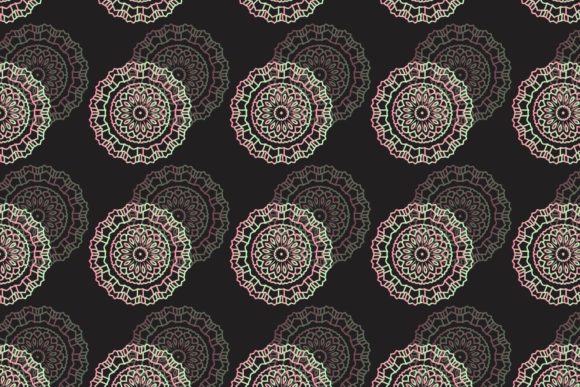
The Mandala Retro Background Pattern immediately catches the eye with its intricate, symmetrical layout. The design exudes a sense of calm and harmony, making it ideal for projects that aim to evoke a peaceful or spiritual vibe. The retro aesthetic, with its soft curves and vintage-inspired motifs, feels both timeless and modern. It’s a design that seems to belong in a handmade shop or an Etsy listing, where customers are drawn to unique, thoughtful pieces.
Where It Fits Best: A Versatile Embroidery File for Many Projects
This pattern works well as a background element in custom apparel, such as a tote bag design or a sweatshirt embroidery. Its size—1920px by 1280px—makes it suitable for medium to large hoop sizes, which is great for most embroidery machines. The detail level is high enough to make a statement but not so dense that it becomes overwhelming. It could also serve as an applique design for baby clothes or a decorative accent on a pillow cover.
For small business owners and crafters, this design could be a valuable addition to their digital product library. As a Graphics file, it offers flexibility for use in printable mockups, digital product previews, and commercial embroidery projects. The fact that it comes in multiple formats—AI, EPS, SVG, JPG, and PNG—means it can be easily adapted for different purposes, from web graphics to physical embroidery files.
Real-World Use: How It Performs in Different Embroidery Situations
When used on a tote bag design, the Mandala Retro Background Pattern adds a subtle yet elegant touch. It doesn’t overpower the fabric, which is important for items that need to remain functional. On a sweatshirt, it could be placed as a back design, giving the garment a personalized feel without being too busy. For baby items, such as onesies or blankets, the design’s calming nature makes it a good fit.
However, this design may not be the best choice for small hoop sizes. The complexity of the pattern might lead to stitching issues if the machine isn’t able to handle the detail. It also requires careful consideration when working with textured fabrics or thin materials, as the stitch density could cause puckering or distortion.
Things to Be Cautious Of: When Not to Use This Design
The Mandala Retro Background Pattern isn’t ideal for every project. On dark fabrics, the contrast between the design and the background may be less visible, depending on the thread colors used. It may also struggle on stretchy or curved surfaces like caps, where the design’s shape could be distorted during the stitching process.
For products that require frequent washing, such as kitchen towels or aprons, the design’s density and stitch type should be carefully evaluated. A fill stitch or satin stitch might hold up better than a running stitch in high-traffic areas. Additionally, if the design is used as part of a layered garment, the stabilizer must be strong enough to support the weight of the stitches without causing damage to the fabric.
Impact on Visual Appeal and Customer Perception
A well-executed embroidery project can significantly boost the perceived value of a handmade product. The Mandala Retro Background Pattern, when stitched properly, adds a professional touch that can elevate a simple item into something special. Customers often appreciate the effort and care that go into a custom design, and this pattern has the potential to do just that.
It also plays a role in brand consistency. For Etsy sellers and small shop owners, having a signature design that appears across different products can help build recognition and trust. The pattern’s retro theme could align well with a brand that targets a nostalgic or bohemian audience.
Practical Designer Notes: Tips for Using This Pattern Effectively
Before committing to a full project, test the Mandala Retro Background Pattern on scrap fabric. This will help you assess how the design looks in real life and whether it meets your expectations. Check the thread color contrast against different fabric backgrounds to ensure visibility and aesthetic appeal.
Review the stitch density to make sure it’s appropriate for the fabric type you’re using. If the design is too dense, consider simplifying it or adjusting the settings on your embroidery machine. Confirm the hoop size required for the design and make sure it matches your machine’s capabilities.
Inspect small details closely, especially if the design includes any lettering or fine lines. These elements may not show up clearly if the stitch count is too low. Test the design in black and white mockups to see how it translates without color, and compare it on light and dark fabric backgrounds to determine the best look.
Final Thoughts: A Thoughtful Choice for the Right Project
The Mandala Retro Background Pattern is a versatile design that can work well in a variety of embroidery projects. It’s particularly suited for custom apparel, personalized gifts, and boutique merchandise. However, its success depends on how it’s applied and the materials used.
For embroidery designers and creative entrepreneurs, this pattern offers a chance to add a unique, meaningful touch to their work. Whether you're creating an embroidered patch, a tote bag design, or a holiday gift, the Mandala Retro Background Pattern can be a valuable asset—if used thoughtfully and with attention to detail.