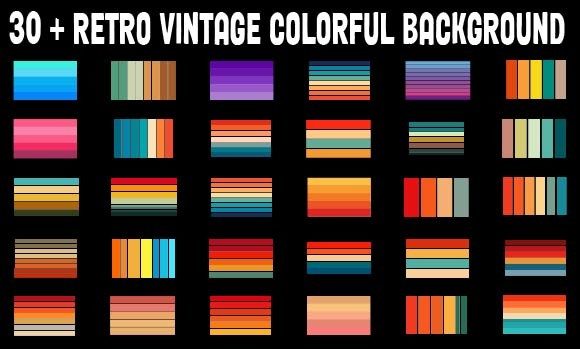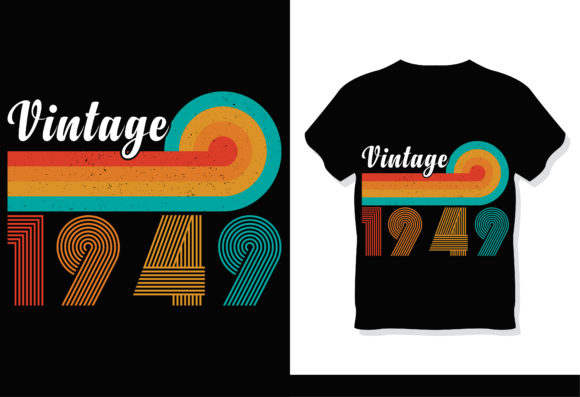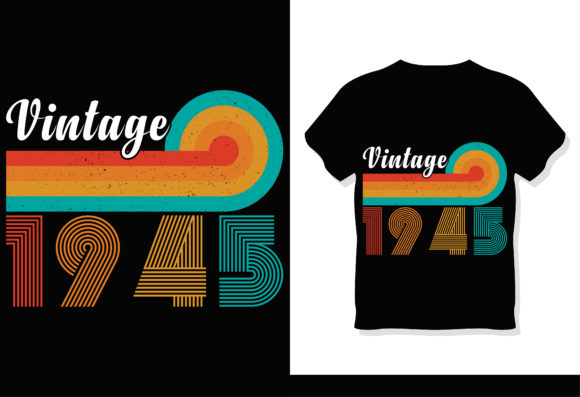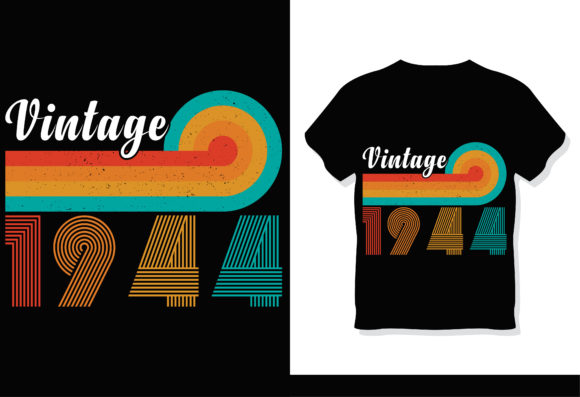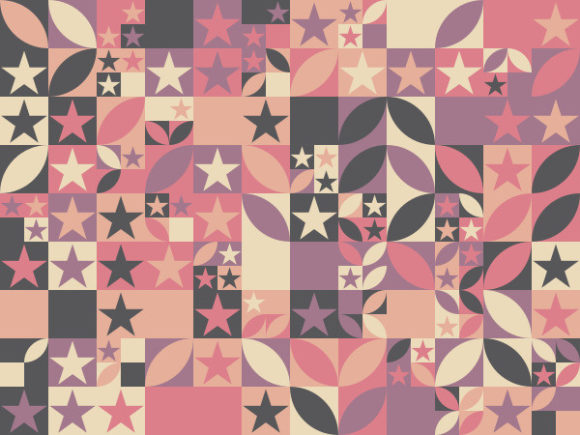
Retro 80s Classical Background
As an embroidery designer and product reviewer, I’ve seen my fair share of digital designs. But when I came across the Retro 80s Classical Background, I knew it had potential. This design isn’t just a visual treat—it’s a versatile tool for anyone looking to add a touch of nostalgia to their work. Let me walk you through how this design performs in real-world projects and what you need to consider before using it.
The First Impression
The Retro 80s Classical Background immediately evokes a sense of timeless elegance. The design combines elements of art deco, modernism, and vintage aesthetics, creating a look that feels both familiar and fresh. Its layout is balanced, with intricate patterns that suggest a rich history without overwhelming the eye. The level of detail is impressive, making it ideal for projects that require a bit of sophistication.
This design naturally fits into custom apparel, baby items, and personalized gifts. It has a classic feel that could work well on tote bags, sweatshirts, or even as a background for embroidered patches. The mood it creates is warm and inviting, which makes it perfect for handmade products that aim to connect emotionally with customers.
Real-World Embroidery Performance
When I tested the Retro 80s Classical Background on different fabrics, I noticed how well it translates to machine embroidery. The design’s scalability means it can be adjusted for various sizes, making it adaptable for different project needs. However, there are some considerations to keep in mind.
For custom apparel like t-shirts or sweatshirts, the design holds up well. The stitch density is appropriate for most standard fabrics, but if you’re working with thin or stretchy materials, you might want to adjust the stabilizer to prevent puckering. On textured or dark fabrics, the thread colors may not show as clearly, so testing is essential.
When it comes to baby items, the Retro 80s Classical Background works nicely as a subtle background. It’s not too busy, which is important for delicate pieces like onesies or blankets. For holiday or wedding gifts, the design adds a touch of class without being overly complex. It’s also great for small shop merchandise, where visual appeal can make a big difference in customer engagement.
Where to Use With Caution
While the Retro 80s Classical Background is versatile, there are situations where it might not perform as well. Small hoop sizes can be a challenge, especially if the design has intricate details. If you’re working on curved surfaces like caps or hats, the design might not sit perfectly, leading to stitching issues.
Dense stitch areas can also be problematic. If the design is too packed, it might cause the fabric to pucker or the stitches to become too thick. Tiny lettering or decorative accents might not come out as clearly as expected, so it’s worth checking the design at full scale before committing to a project.
For layered garments or products that will be washed frequently, the design’s durability should be tested. Using the right stabilizer and ensuring proper stitch density can help maintain the integrity of the design over time.
Impact on Visual Appeal and Customer Perception
The Retro 80s Classical Background elevates the visual appeal of any finished product. Its classic look gives a sense of quality that can boost customer trust. When used on handmade products or personalized gifts, it adds a level of sophistication that can set your work apart from the competition.
From a branding perspective, this design can help create consistency across your product line. Whether you’re an Etsy seller or a craft business owner, having a reliable design that fits multiple use cases can streamline your workflow and improve your brand image.
For buyers, the design’s nostalgic vibe can make a product more desirable. It’s perfect for gift-giving, especially during holidays or special occasions. The design also enhances the giftability of your products, making them more appealing to customers looking for unique, meaningful items.
Practical Designer Notes
Before using the Retro 80s Classical Background in your next project, here are a few practical tips:
- Test on scrap fabric first. This helps identify any potential issues with stitch density or fabric compatibility.
- Check thread color contrast. Ensure the chosen threads stand out against the fabric you’ll be using.
- Review stitch density. Adjust as needed to avoid puckering or distortion.
- Confirm hoop size. Make sure the design fits within your available hoop dimensions.
- Inspect small details. Look closely at corners and fine lines to ensure they translate well to embroidery.
- Test in black and white mockups. This helps visualize how the design will look on different fabric backgrounds.
- Compare light and dark fabric options. Some designs may appear differently depending on the fabric color.
- Use proper stabilizer. This prevents puckering and ensures a clean finish.
- Check licensing. Confirm whether the design is suitable for commercial or personal use before selling finished items.
By following these steps, you can maximize the effectiveness of the Retro 80s Classical Background in your embroidery projects.
Final Thoughts
The Retro 80s Classical Background is a strong addition to any embroidery designer’s toolkit. Its blend of classic and contemporary styles makes it adaptable for a wide range of projects. While it requires careful consideration in certain applications, its overall performance is impressive.
Whether you're an Etsy seller, a craft business owner, or a hobbyist, this design offers value in both aesthetic and practical terms. Just remember to test it thoroughly and tailor it to your specific needs. With the right approach, the Retro 80s Classical Background can become a go-to design for many of your embroidery projects.