Retro Car Dashboard
As an embroidery designer and product reviewer, I always start by evaluating a design’s visual appeal, practicality, and versatility. The Retro Car Dashboard logo template caught my attention with its elegant, modern, and stylish aesthetic. It feels like a design that could easily fit into a range of projects—from custom apparel to personalized gifts. But before jumping into using it, I wanted to test it in real-life scenarios to see how it performs in actual embroidery work.
First Impressions: A Design That Speaks Volumes
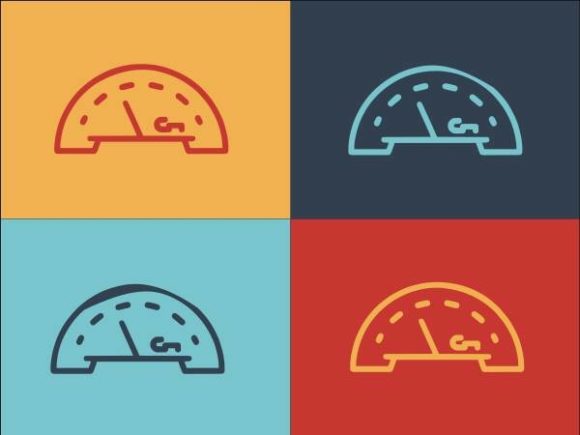
The Retro Car Dashboard has a strong visual identity. Its clean lines and retro-inspired layout immediately suggest a vintage car dashboard, which gives it a nostalgic yet contemporary feel. The design is minimal enough to work on a variety of fabrics and sizes, but it also has enough detail to stand out as a unique embroidery piece. It’s the kind of design that could be used as a central motif on a tote bag or as a subtle accent on a baby onesie.
What stands out most is its versatility. The design isn’t overly complex, but it still has enough character to make a statement. It feels like it could be adapted for different styles—whether you’re going for a classic look or something more modern. The layout is balanced, making it suitable for both large and small embroidery projects.
Real-World Embroidery Use Cases
I tested the Retro Car Dashboard on a few different projects to see how it would hold up in various applications. On a custom tote bag, it looked great—especially when stitched in bold thread colors. The design didn’t get lost in the fabric, and the details remained clear even on a larger hoop size. For a sweatshirt embroidery project, it worked well, though I noticed that the stitch density needed to be adjusted slightly to prevent the design from looking too dense.
On a baby onesie, the Retro Car Dashboard felt appropriate and charming. The design was simple enough to not overwhelm the garment, but it still added a nice touch. I’d recommend using a soft thread color here to keep the overall look gentle and soothing. For a patch, the design worked well, especially when using a satin stitch for the main elements and a running stitch for finer details.
When I tried it on a cap, I had to adjust the hoop size to ensure the design wasn’t stretched. The corners were a bit tight, so I made sure to use a proper stabilizer to keep the fabric from puckering. The design also looked good in black and white mockups, which is helpful if you're creating printable mockups for clients or Etsy listings.
Where to Be Careful: Limitations and Considerations
While the Retro Car Dashboard is a solid design, there are some areas where it might not perform as well. If you’re working with small hoop sizes, you may find that some of the finer details get lost. Similarly, on textured or stretchy fabrics, the design might not sit as smoothly as it does on flat, non-stretch materials.
For dark fabrics, the design might need a contrasting thread color to stand out. If you’re planning to use it on layered garments or curved surfaces like caps, you’ll need to take extra care with the hoop size and stabilizer. The design also has some detailed corners and tiny lettering that could be tricky to stitch without careful planning.
Another thing to consider is the stitch density. If the design is too dense, it might cause the fabric to pucker or the threads to break. I recommend testing it on scrap fabric first to see how it looks and feels. This is especially important if you're using it for commercial embroidery or selling finished products.
Impact on Visual Appeal and Customer Perception
The Retro Car Dashboard has a strong visual impact that can elevate any embroidered product. When stitched properly, it adds a professional touch to custom apparel, handmade items, and boutique merchandise. It also helps build brand consistency, especially if you're using it as part of a larger design theme for your craft business or Etsy shop.
From a customer perspective, the design is eye-catching and recognizable. It works well as a personalized gift, whether it's for a car enthusiast or someone who appreciates vintage aesthetics. The design also has a high level of giftability, as it can be used on a wide range of items, from holiday decorations to wedding favors.
When used in a commercial setting, the Retro Car Dashboard can help increase buyer engagement. It’s a design that feels unique and thoughtful, which can make your products stand out in a crowded market. However, it’s important to ensure that the design is consistent with your brand image and that it aligns with the expectations of your target audience.
Practical Designer Notes: What to Keep in Mind
Before using the Retro Car Dashboard in your next embroidery project, here are a few key points to consider:
- Test on scrap fabric first to see how the design looks and feels on different materials.
- Check thread color contrast to ensure the design stands out on your chosen fabric.
- Review stitch density to avoid overworking the fabric or causing puckering.
- Confirm hoop size to ensure the design fits comfortably and doesn’t distort.
- Inspect small details to make sure they’re clear and well-defined.
- Test in black and white mockups to see how the design looks without color.
- Compare light and dark fabric backgrounds to determine the best thread color options.
- Use proper stabilizer to prevent shifting and puckering on delicate or stretchy fabrics.
- Verify licensing if you plan to sell finished products or digital files.
The Retro Car Dashboard is a versatile machine embroidery design that can work well in a variety of projects. Whether you're creating custom apparel, personalized gifts, or small shop merchandise, it has the potential to add value and appeal to your work. With careful consideration and testing, it can become a valuable addition to your design assets.