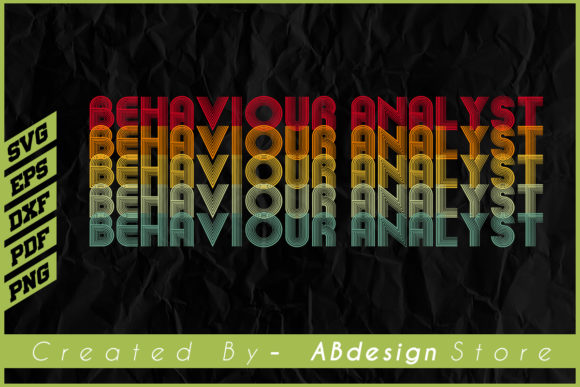
Vintage Retro Behavior Analyst Design
The Vintage Retro Behavior Analyst Design offers a unique blend of nostalgia and functionality, making it a compelling choice for embroidery projects. Its visual personality leans into the charm of bygone eras while maintaining a clean, professional aesthetic that can fit into a variety of handmade and commercial applications.
First Impressions: A Nostalgic Visual Statement
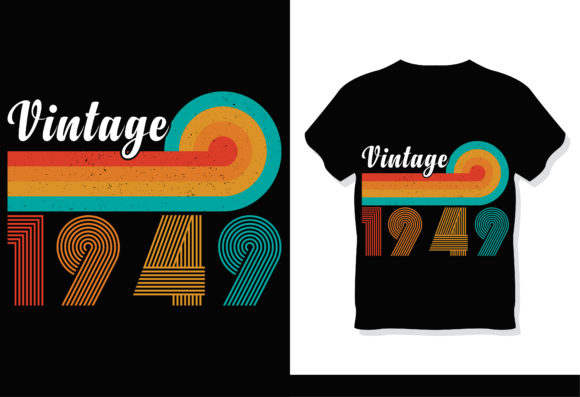
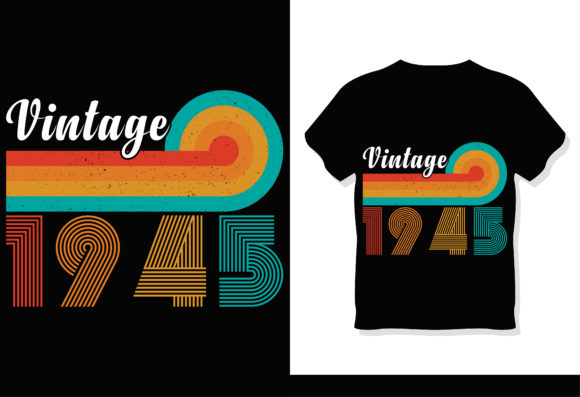
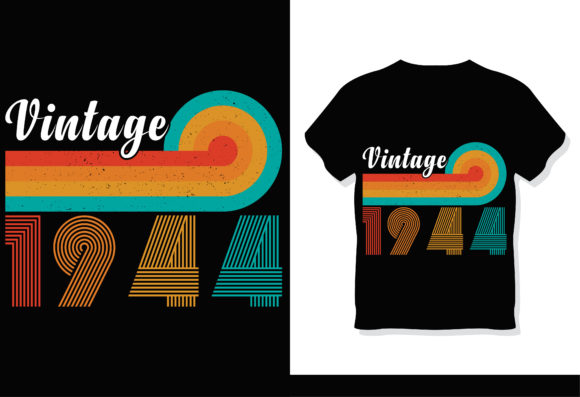
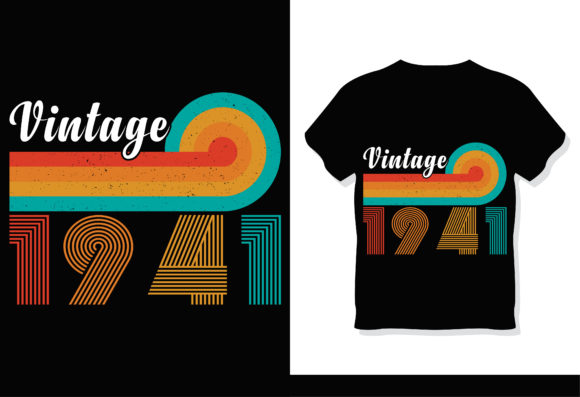
Upon first glance, the design exudes a vintage feel with its retro typography and subtle pattern elements. The layout is balanced, with a central motif that commands attention without overwhelming the space. The detail level is moderate, featuring enough intricacy to stand out on fabric but not so much that it becomes visually cluttered.
This design seems to be tailored for items that carry a personal or thematic story—such as a custom embroidered tote bag for a sailing enthusiast or a baby onesie with a playful, timeless vibe. The theme aligns well with nautical or maritime motifs, suggesting it could work well in a range of seasonal or specialty products.
Real-World Embroidery Performance
When considering the Vintage Retro Behavior Analyst Design for real-life embroidery situations, it holds up reasonably well across a range of mediums. On custom apparel like sweatshirts or t-shirts, the design maintains clarity and visual appeal, especially when stitched with appropriate thread colors. However, the design’s moderate detail level means it may not be ideal for very small hoop sizes or intricate corners where precision is key.
For baby clothes or delicate fabrics, the design works well as long as the stitch density is adjusted to prevent puckering or distortion. On textured or stretchy materials, the use of proper stabilizer is essential to ensure the design remains intact and looks polished after washing.
The design also shows promise for embroidered patches, aprons, and pillow covers. It could serve as a standout element on a holiday gift or personalized product, offering both visual interest and a sense of craftsmanship. For small business owners or Etsy sellers, this design could be a valuable addition to a printable mockup collection or digital product preview set.
Where to Use with Caution
While the Vintage Retro Behavior Analyst Design is versatile, there are certain scenarios where caution is advised. On dark fabrics, the design’s contrast may need adjustment depending on the thread colors used. Thin or stretchy materials might require additional stabilizing to maintain the integrity of the stitches.
Products that undergo frequent washing or wear, such as children’s clothing or high-use items, may benefit from a more durable stitching approach. Additionally, the design may not be suitable for curved surfaces like caps unless the hoop size and stitching technique are carefully managed.
If the design includes tiny lettering or dense stitch areas, these details should be tested on scrap fabric before committing to a final project. For commercial embroidery or large-scale production, verifying the licensing terms is crucial to avoid any legal issues down the line.
Impact on Visual Appeal and Customer Perception
The Vintage Retro Behavior Analyst Design has the potential to elevate the visual appeal of any finished product. Its retro aesthetic can make a handmade product feel more distinctive and desirable, particularly for customers looking for unique, personalized gifts. When stitched correctly, the design adds a touch of sophistication that can enhance the perceived value of an item.
For small shop products or boutique branding, this design can contribute to a cohesive visual identity. It supports brand consistency by offering a recognizable style that aligns with a vintage or nautical theme. Customers who appreciate handmade craftsmanship may find this design appealing, especially when paired with quality materials and thoughtful presentation.
In terms of buyer engagement, the design’s nostalgic elements can create an emotional connection, making it more memorable and shareable. Whether used for a wedding gift, holiday ornament, or custom apparel, the Vintage Retro Behavior Analyst Design can help differentiate a product in a competitive market.
Practical Designer Notes
Before using the Vintage Retro Behavior Analyst Design in any project, it’s wise to test it on scrap fabric. This helps assess how the design translates to different materials and ensures that the stitch density and thread color choices are optimal. Checking the design in black and white mockups can also reveal how it will appear on various fabric backgrounds.
For applique designs or those involving satin stitch, ensuring that the design’s edges are clean and well-defined is important. If the design includes fill stitch areas, reviewing the density will help prevent bulkiness or stiffness in the finished product. Confirming the correct hoop size for the design’s dimensions can also save time and reduce errors during the embroidery process.
As a designer or craft business owner, it’s essential to consider whether the Vintage Retro Behavior Analyst Design aligns with your target audience’s preferences. Whether you’re creating a custom apparel piece, a personalized gift, or a digital product for sale, understanding how this design fits into your broader creative vision is key to its success.
Final Thoughts: A Versatile Design with Room for Growth
The Vintage Retro Behavior Analyst Design offers a solid foundation for a range of embroidery projects. Its retro charm, balanced layout, and moderate detail level make it a practical choice for many applications. However, its effectiveness ultimately depends on how well it’s adapted to specific materials, techniques, and customer expectations.
Whether you're an embroidery designer, small business owner, or hobbyist, the Vintage Retro Behavior Analyst Design can be a valuable asset when used thoughtfully. By paying attention to stitch density, stabilizer use, and fabric compatibility, you can ensure that this design contributes positively to your handmade products, client projects, and overall creative workflow.