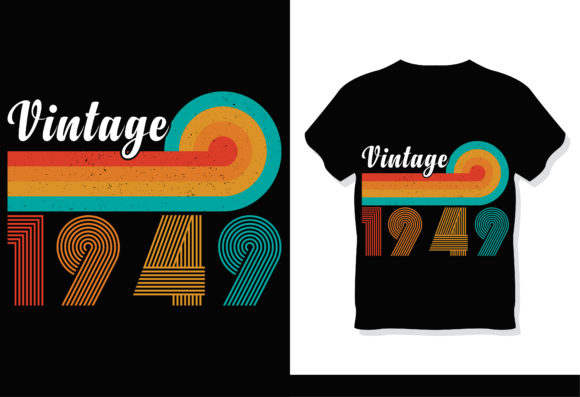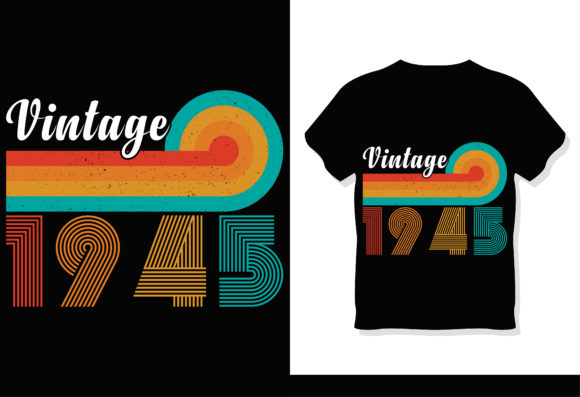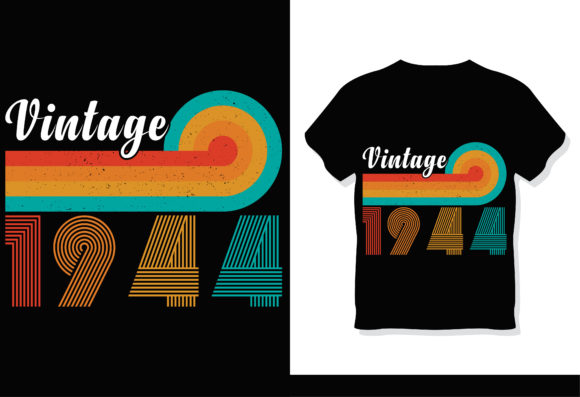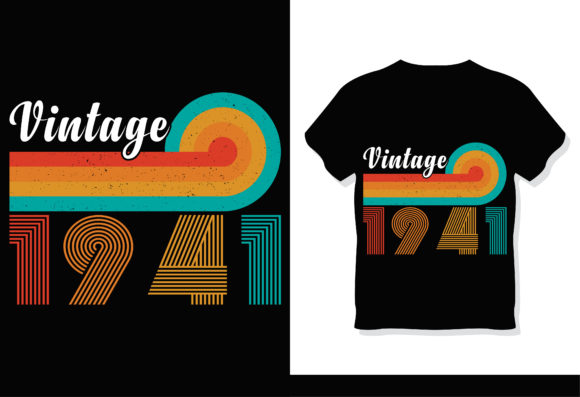
Vintage Retro Behaviour Therapy Design
As an embroidery designer and product reviewer, I’ve evaluated countless digital designs for real-world use. The Vintage Retro Behaviour Therapy Design caught my attention not just for its nostalgic aesthetic but for how it could translate into a meaningful, functional piece of craft or commercial work. Let’s break down what this design offers and where it truly shines.
The First Impression: A Nostalgic Visual Statement
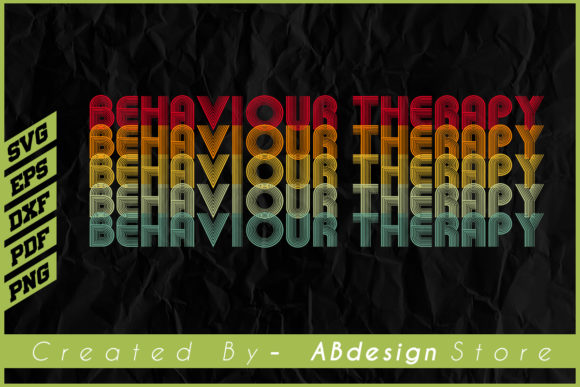
The Vintage Retro Behaviour Therapy Design immediately evokes a sense of old-world charm. Its layout is clean yet detailed, with a strong visual personality that feels both classic and modern. The design seems to be rooted in the idea of behavior therapy—perhaps symbolizing calm, reflection, or structured thinking—but it’s paired with a sailing theme, which adds an unexpected twist. This combination makes it unique and versatile.
The shape and composition suggest it would work well on larger surfaces like tote bags, sweatshirts, or pillow covers. It has enough detail to stand out without being overwhelming, making it ideal for custom apparel or handmade products that need to make a statement.
Real-World Embroidery Use Cases
This design could fit seamlessly into a variety of projects. For example, imagine using it on a personalized tote bag for a client who loves sailing and wants something that reflects their interests. Or consider it as a patch for a jacket or a baby onesie, where the retro feel would add a warm, handcrafted touch.
It also works well as a holiday or wedding gift, especially if you’re looking for something that feels thoughtful and meaningful. The design’s structure suggests it could be used as an applique design or with satin stitch for a smooth, polished look.
For small business owners or Etsy sellers, this design could be a valuable addition to your printable mockup library or digital product offerings. It’s ready to be used on a range of items, from tea towels to aprons, giving you flexibility in your craft business.
Where to Be Cautious: Practical Considerations
While the Vintage Retro Behaviour Therapy Design has a lot to offer, there are some areas where caution is needed. If you're working with small hoop sizes, the design might require multiple hooping sessions, which can be time-consuming. Similarly, if you're stitching on textured fabrics, thin materials, or stretchy garments, the design’s details could get distorted or lost.
On dark fabrics, the thread color contrast becomes crucial. If the design uses light-colored threads, it might not show up well against a dark background. You’ll want to test it first on different fabric types before committing to a project.
Dense stitch areas or intricate corners may need extra attention. If the design includes tiny lettering or decorative accents, those elements could be challenging to execute perfectly on certain materials. Always check the stitch density and adjust stabilizer use accordingly.
Impact on Visual Appeal and Customer Perception
The Vintage Retro Behaviour Therapy Design has the potential to elevate the visual appeal of any finished product. Its retro style gives it a timeless quality that can resonate with a wide audience. When stitched correctly, it adds value to handmade products, making them more desirable for customers looking for unique, personalized gifts.
From a brand perspective, this design could help reinforce consistency in your product line. Whether you're selling custom apparel or digital design assets, having a cohesive visual identity is key to building customer trust and recognition.
For commercial embroidery projects, the design’s clarity and structure make it a reliable choice. It’s also well-suited for embroidered patches, where the detail needs to be sharp and precise.
Embroidery Designer Notes: Best Practices
Before jumping into a full project, I always recommend testing the Vintage Retro Behaviour Therapy Design on scrap fabric. This helps you understand how the stitches will look and whether the design translates well to your chosen material.
Check the thread colors to ensure they complement the fabric and the overall design. If you're using a fill stitch or satin stitch, pay close attention to the density to avoid puckering or distortion.
Confirm the hoop size required for the design and make sure your machine can handle it. Also, inspect small details like corners and lettering to ensure they’re clear and readable.
Test the design in black and white mockups to see how it looks on different backgrounds. Compare it on light and dark fabrics to determine the best thread color options.
Use the right stabilizer for your fabric type, and always double-check the licensing terms before selling finished items or digital products. Make sure the design is suitable for both personal and commercial use.
Final Thoughts: A Design That Delivers
The Vintage Retro Behaviour Therapy Design is more than just a pretty image—it’s a practical tool for embroidery designers, crafters, and small business owners. Its nostalgic aesthetic, combined with its versatility, makes it a solid choice for a wide range of projects.
Whether you're creating a custom tote bag, a baby onesie, or a holiday gift, this design has the potential to add character and meaning to your work. Just remember to approach it with care, test it thoroughly, and use it in the right context.
For anyone looking to expand their design assets or add a unique touch to their craft business, the Vintage Retro Behaviour Therapy Design is worth considering. It’s a reminder that sometimes, the most effective designs are those that tell a story—and this one certainly does.